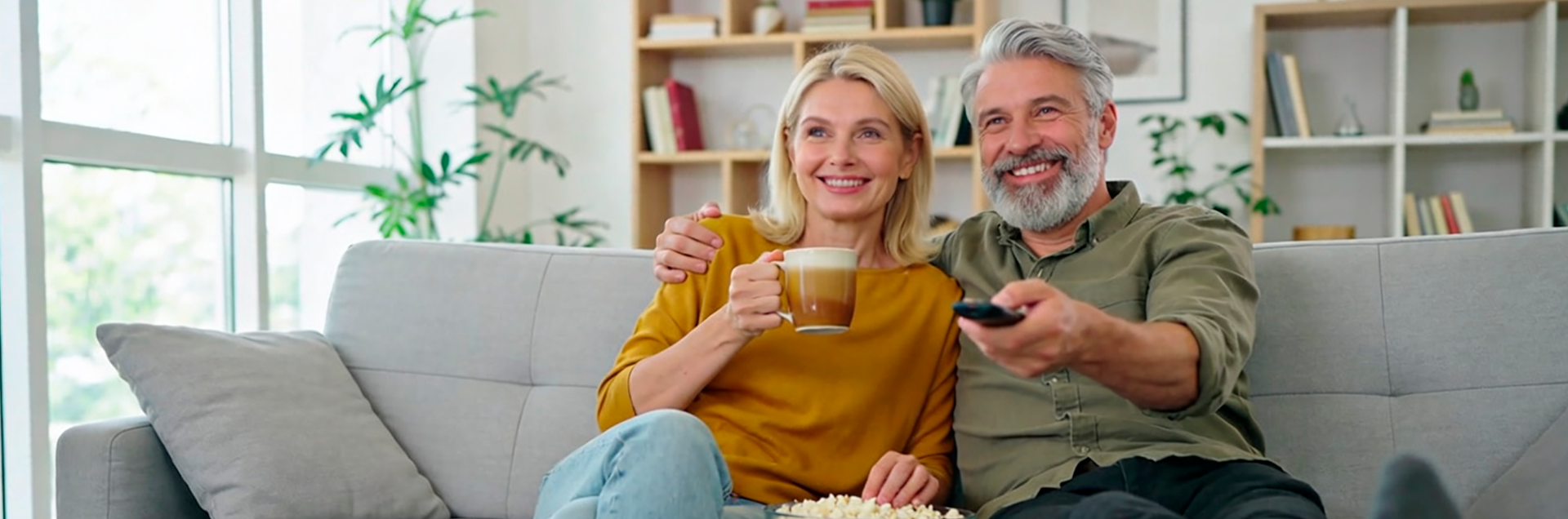
The TV Experience in Senior Living is No Longer a Minor Amenity
Senior living is changing quickly. A new generation of residents is arriving with different expectations, different digital habits, and a stronger sense of what daily life should feel like in a community setting. For many operators, that means rethinking not only care models and amenities, but also the in-room experience residents interact with every day. Entertainment is now an essential part of that conversation.
What used to be viewed as a basic service is now part of how residents evaluate comfort, independence, and quality of life. Television is no longer just background entertainment. In senior living, it can help support routine, familiarity, engagement, and connection to the outside world. Senior living content frames TV as a meaningful part of resident comfort and community engagement, not simply a channel lineup.
Residents Are Bringing Home-Level Expectations With Them
Today’s independent living residents are arriving with years of experience using streaming platforms, smart devices, and on-demand entertainment. DIRECTV notes that these residents expect the same level of choice and control they had at home, and reports that
0%
Of the seniors surveyed said its important to have streaming services included in their programming offering
0%
Of independent living residents use smartphones
0%
Of independent living residents use smart TVs
That matters because the entertainment experience helps shape first impressions. If a community’s TV setup feels confusing, limited, or outdated, that friction is immediately visible to both residents and their families. In a competitive environment, a modern entertainment experience can reinforce the message that a community understands how residents want to live today. Today, entertainment is considered a premium amenity that can help communities strengthen their value proposition.
Entertainment Supports Comfort, Familiarity, and Everyday Connection
The transition into senior living can be emotional, even when it is the right move. Familiar routines become especially important during that adjustment.
Nielsen data shows that adults 65+ watched more than5.5 hours of television per day in 2025
This helps explain why TV remains such a central part of daily life for older adults
That is why the TV experience should be considered part of resident well-being. It can provide continuity, reduce the feeling of disruption, and keep residents connected to current events, weather, sports, movies, and programming they enjoy. Television has an important role in helping residents stay connected to the broader world beyond their community and in creating shared viewing experiences that support social interaction.
The Right System Also Helps the Operation Run Better
This is not only about resident satisfaction. Entertainment systems also affect staff time and day-to-day operations. When a TV setup is easier to use and more reliable, communities can reduce avoidable frustration around remotes, navigation, and service interruptions. That means fewer resident complaints, less troubleshooting, and less time spent on issues that pull staff away from higher-value responsibilities.
For operators, simplicity matters. A system that is consistent across units, easier to support, and designed for community-wide deployment can remove operational friction. bulk streaming models are built around a property-wide approach in which service is provided for each living unit under a community investment model, helping position entertainment as an amenity rather than a patchwork of individual services.
Entertainment Has Become a Market Positioning Tool
Senior living communities are competing for residents who are more informed, more selective, and more comfortable with technology than prior generations. Communities that invest in stronger entertainment options today are better positioned for the expectations of younger, more tech-forward residents in the years ahead.
That makes entertainment a strategic decision, not a cosmetic one. A reliable, intuitive TV experience signals that a community pays attention to daily quality of life. It shows that leadership understands that comfort is often built through the details residents experience every day.
Why This Matters Even More Now
According to the American Health Care Association, more than 1 million Americans currently live in senior living communities
World Health Organization data projects that the number of people aged 80 and older worldwide will triple between 2020 and 2050, reaching 426 million. The demand for thoughtful, resident-centered environments is only going to increase.
The demand for thoughtful, resident-centered environments is only going to increase.
As that demand grows, communities will need to think more carefully about the role technology plays in daily life. The senior living residents of today and increasingly of tomorrow are “digital native” residents. The best entertainment systems will not be the ones that simply deliver content. They will be the ones who make residents feel more comfortable, more connected, and more at home.
How AdcommTV Approaches It
At AdcommTV, we believe the entertainment experience in senior living should be designed around both resident expectations and operational practicality. That means helping communities evaluate whether their current setup still fits the way residents live today, and identifying solutions that are easier to manage, easier to use, and better aligned with the experience communities want to deliver.
If your current TV setup feels outdated, inconsistent, or too difficult to support, this may be the right time to reassess it.